How I help people with Voice Disorders

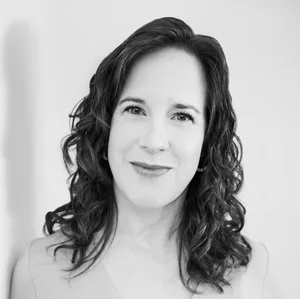
Catherine Kay Brown is a singing voice teacher, vocologist, and trained mindfulness teacher who has researched and published on the effects of mindfulness on the voice. She also lives with a chronic voice condition, vocal fold paresis, and has recovered from muscle tension dysphonia.
People usually come to me to work on the emotional side of living with a voice disorder: the frustration, the grief, the exhaustion of a voice that won't cooperate. That work matters, and it's at the heart of what I teach.
But I've learned that many people also need something they never thought to ask a mindfulness teacher for. They need help finding their way through the voice care system itself. They need someone to say, "This treatment may not match what's happening in your throat," or "Give voice therapy one more real try with a voice specialist SLP," or "It may be time to make peace with the voice you have."
This post walks through what that looks.
Voice care is a specialty
Voice is a niche corner of medicine, and most people don't realize it until they're deep into treatment. A general ENT can handle plenty of throat problems, but\ severe or chronic voice disorder calls for a laryngologist, an ENT with fellowship training focused on the larynx.
The same goes for speech-language pathologists. Many SLPs treat a wide range of communication issues. Fewer specialize in voice and have experience treating patients with severe or long-term voice disorders.
Voice disorders also vary enormously. Some are temporary, some semi-chronic, some lifelong. Severity varies, too: a severe problem can be short-lived, and a mild one can last for years. So people often can't tell where they fall, where to go, or whether their providers have the right expertise.
When someone comes to me after seeing a general ENT, or an SLP without deep voice experience, I often suggest a specialty voice clinic. Over the years I've built connections with voice-specialist SLPs around the country. I reach out to them for advice and pass along very specific recommendations. Those referrals have been life-changing for some of the people I work with. I never pictured myself as a kind of broker for voice care, but the need is there. (My own voice disorder — vocal fold paresis — went undiagnosed for 10 years.)
When the exercises have done all they can
Many people are told that a 6-8 week course of voice therapy should fix their problem. (For most people, it does.) But what happens when it's not enough? Patients typically blame themselves. They assume they did the exercises wrong or weren't consistent enough.
Often the truth is simpler: exercises alone have reached their limit. Some disorders need medical treatment alongside voice therapy, or instead of it. These people need a laryngologist, and they need someone to tell them that's a reasonable next step.
When it's too soon to give up on voice therapy
The opposite happens, too. Someone tries six weeks of voice therapy, sees little change, and comes to me asking how mindfulness can help instead.
Depending on what else they tell me about their condition, my goal may be encourage them to return to voice therapy. They may do better with a different therapist, or with one who works inside a larger voice clinic. But voice therapy may still be their best option, and six weeks may too soon to judge.
A conversation from this week
I recently spoke with a woman whose voice trouble began after a viral illness about ten months ago. She was told her only issue was muscle tension. Yet her scan showed that one vocal fold did not move at all, which points to vocal fold paralysis. (The muscle tension is likely a response to that paralysis, not the cause.)
Her voice therapist kept telling her to practice her exercises more. But when a vocal fold can't move, medical options such as filler injections or thyroplasty surgery can make a big difference. Exercises alone are rarely enough.
She had been coping with her condition by not thinking about it too much. Now she was facing a harder truth: her condition is rare and severe, it may be chronic, and she needs a true specialist, even if that means traveling a few hours. The idea of surgery scared her. She had hoped to avoid it.
My advice was simple: meet with a laryngologist and hear what they say. Once she has a clearer picture of her options, we can work on the feelings that the next steps bring up.
Where I stand: vocologist, not doctor or SLP
This is a delicate line, and I walk it carefully. I'm a PAVA-recognized vocologist, so I have deep knowledge of how the voice works, how vocal dysfunction shows up, and what treatments exist.
I'm also clear with everyone I work with: I am not a doctor or an SLP. I don't diagnose, and I don't give medical advice. What I can do is tell someone when I think it's time to seek a new opinion, point them to where they can get one, and help them through the emotions that come with it.
Living with the voice you have
Mindfulness helps people sort out three questions. What can I change? Where can I find further treatment, if I want it? And how fully should I accept the voice I have now?
Some people are more hopeful about their progress than their situation supports. Others don't realize more progress is possible. And some have already received all the care that currently exists for their disorder. For them, the work is acceptance and advocacy.
I often use the phrase "chronic for now." It describes a disorder that has become long-term but may still respond fully to the right care. It leaves room for both acceptance and hope.
Treatment fatigue is real, too. People with chronic illnesses often reach a point of burnout and need a break from treatment. That's okay. Others are ready to try something new and just need to know better help may exist. (Burnout sometimes comes from pursuing treatments that simply aren't right for the condition.)
Alongside emotional support, I offer tools for:
Accepting your voice as it is today
Living with a chronic condition
Advocating for yourself at work, and asking for accommodations
Helping family and friends understand what you're going through
Because I work with so many people with severe and/or chronic voice disorders, I can also give a sense people of how these disorders tend to unfold over a lifetime. I can share what treatment could look like and how long might can take. That timeline looks very different for a severe or chronic disorder than for a temporary one.
You deserve care that fits your voice
If you've done everything you were told and your voice still hasn't come back, you've likely done your part well. You may simply need a different kind of help, or a place to come to terms with where things stand.
That's what I offer: emotional support, honest direction, and mindfulness tools for living well with a voice disorder.
If you’re interested in how I can help you navigate your voice condition, consider joining a drop-in session and or signing up for my 8-week mindfulness course.